
Orthodontic treatment is no longer just for teenagers. More adults are straightening their teeth than at any point before, and the reason is mostly that the appliances got better. Treatment is quieter, more comfortable and easier to fit around a working life than it used to be.
That leaves most adults with a different problem. Not whether to do it, but which option to pick. This is a look at the three adult orthodontics options we use most, what each one is genuinely good at, where each one falls short, and how to work out which fits your case.
Do Adults Really Need Orthodontic Treatment?
Many adults come to Shine Orthodontics wondering if treatment is necessary or worthwhile at their age. Orthodontic issues don’t simply disappear with age. Untreated problems usually get worse, not better. Here are some reasons Dr. McGrogan says adults might need orthodontic treatment:
- Improved oral health. Misaligned teeth can be harder to clean, increasing the risk of tooth decay and gum disease. Proper alignment makes maintaining good oral hygiene easier.
- Better function. Correcting bite issues can improve chewing efficiency and reduce wear on teeth, potentially preventing future dental problems.
- Alleviation of jaw pain. Orthodontic treatment can help address temporomandibular joint (TMJ) disorders and relieve associated pain.
- Enhanced aesthetics. A straighter smile can boost confidence and improve overall facial appearance.
- Preparation for other dental work. Sometimes orthodontic treatment is necessary before other dental procedures, such as bridges or implants, can be performed.
Treatment can be successful at any age, provided the patient has healthy gums and bone structure.
Clear Braces for Adult Patients
Clear braces, also known as ceramic braces, are a popular choice among adult patients because they are far less noticeable than traditional metal braces. Key features include:
- Tooth-colored or clear brackets that blend with natural tooth color
- Similar effectiveness to metal braces in treating a wide range of orthodontic issues
- Slightly larger brackets than metal, which means paying a little more attention to oral hygiene
Clear braces suit adults who want effective treatment without the look of metal. They may not be the right call for severe cases that need more robust movement.
One thing to plan around is that the elastic ties used with clear braces can stain over time, particularly with coffee, tea or red wine. Regular visits to adjust and replace those ties keep them looking right through treatment.
Metal Braces
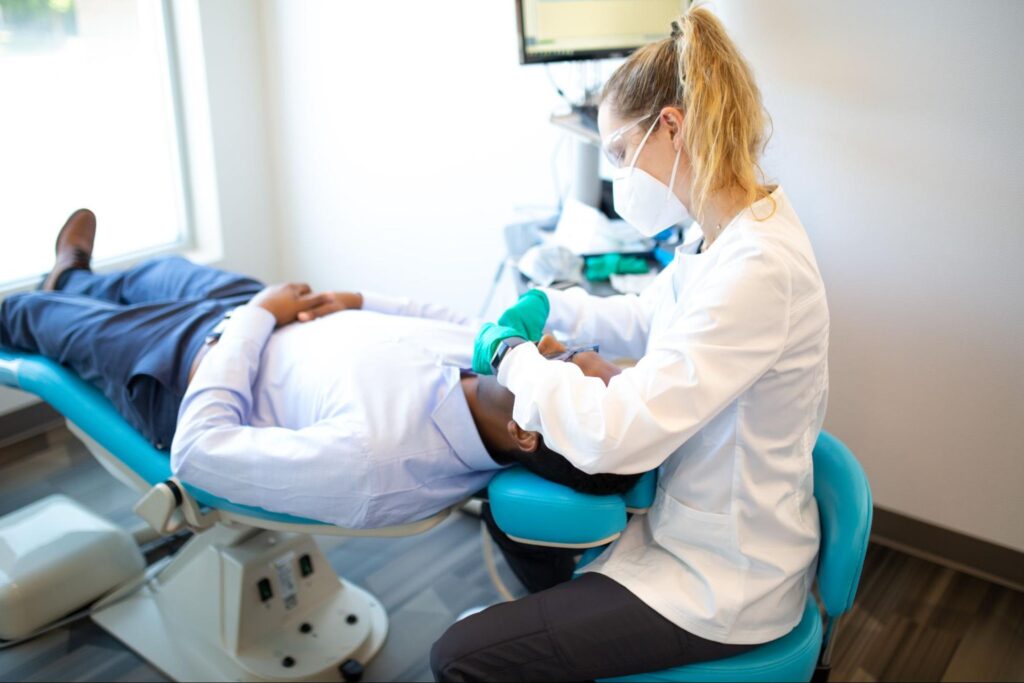
Despite the popularity of more discreet options, traditional metal braces remain a highly effective and reliable choice for adult patients.
Advantages of metal braces for adults include:
- Versatility in treating a wide range of orthodontic issues, from simple to complex
- Often the fastest option, especially for complex cases
- Durability and resistance to damage
- No compliance required, since they work whether you think about them or not
Modern metal braces are smaller and more comfortable than their predecessors. Many adult patients find the improved appearance and reduced irritation make them a reasonable option once weighed against how much they can correct and how quickly.
Some adults do feel self-conscious about wearing metal. For most, the temporary nature of treatment and the long-term result outweigh that.
Invisalign for Adult Orthodontic Treatment
Invisalign gives adults a nearly invisible way to straighten their teeth, using a series of clear removable aligners that move teeth a little at a time. Key benefits for adult patients include:
- Aesthetics. The clear aligners are difficult to notice, which matters for adults who spend their days in meetings or in front of clients.
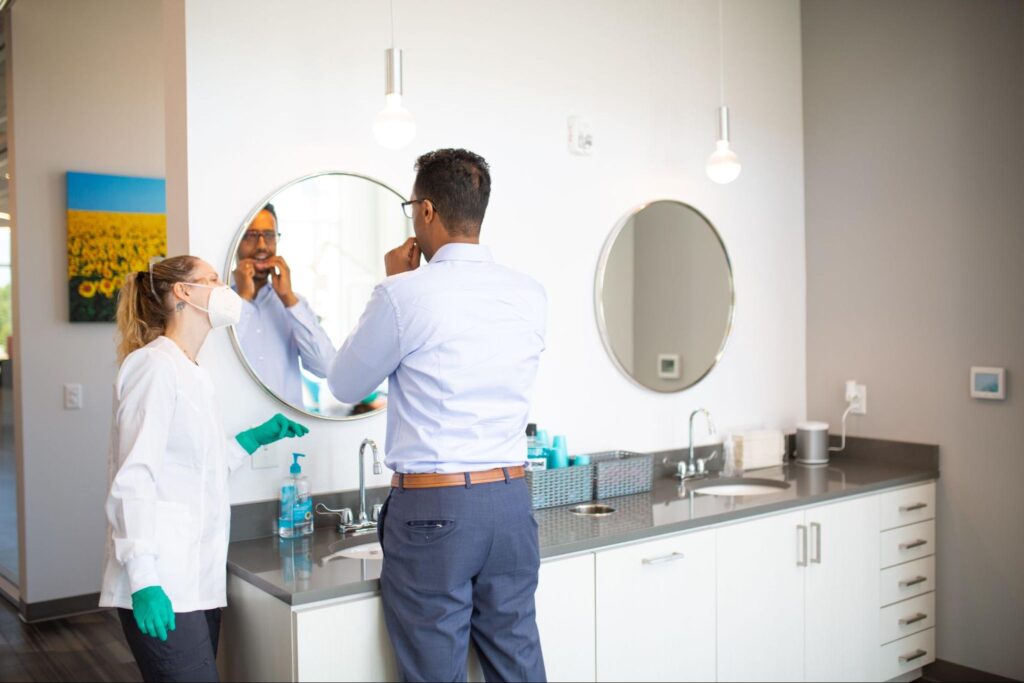
- Removability. Aligners come out for eating, drinking and brushing, so daily habits change very little.
- Comfort. The smooth plastic generally causes less irritation to cheeks and gums than brackets and wires.
- Predictability. 3D imaging lets you see a representation of the expected result before treatment starts.
Invisalign is an excellent option for many adults, but not for every case. Complex problems or those needing significant tooth movement are often better addressed with braces.
It also asks something of you. The aligners need to be worn 20 to 22 hours a day to keep treatment on schedule, which takes real discipline. This is the single biggest reason Invisalign treatment runs long, and it is worth being honest with yourself about before choosing it. Adults juggling a demanding schedule may find our guide to orthodontic treatment options for busy professionals useful here.
Choosing Between Your Adult Orthodontic Treatment Options
Most adults arrive with a preference already formed, usually for aligners. That preference is often right, but it is worth testing against three things before you commit.
Start with what actually needs to move
This is the part that is not up to you, and it narrows the field faster than anything else. Mild to moderate crowding, spacing and minor bite correction are well within what aligners can do. Significant rotations, teeth that need to move vertically, and more involved bite problems usually call for a fixed appliance. If your case sits in the second group, the choice is really between clear and metal brackets rather than between braces and aligners.
Then look at your routine honestly
Aligners reward people with predictable days. If you eat at your desk, graze through the afternoon, or travel constantly, hitting 22 hours a day is harder than it sounds, and the cases that stall are almost always the ones where wear time slipped. Fixed appliances take that variable off the table completely. There is no wrong answer here, only a realistic one.
Then weigh appearance against time
This is the trade most adults are actually making. Metal braces are the most visible option and frequently the fastest for a complex case. Aligners are the least visible and can run longer if compliance is imperfect. Clear braces sit between the two, less visible than metal and more predictable than aligners, at the cost of a little extra hygiene effort.
Other things that shape the plan
- Existing crowns, bridges or implants, which change how teeth can be moved and sometimes rule out attachment placement
- A history of gum treatment, which usually means coordinating with your dentist or periodontist
- Previous orthodontic work, since a second round is often shorter and simpler than the first. Our page on retreatment options for adults covers what that tends to involve
- How long you are willing to be in treatment overall
A consultation settles most of this quickly. Dr. McGrogan will examine your teeth, take X-rays and 3D scans where needed, and tell you which options genuinely work for your case rather than listing all three and leaving you to guess.
What to Expect During Adult Orthodontic Treatment
Whichever method you choose, adult patients should be prepared for:
- Initial discomfort. Some soreness is common in the first few days after getting braces or starting a new set of aligners.
- Dietary changes. With braces, certain foods can damage brackets or wires. Invisalign users need to remove aligners before eating or drinking anything other than water.
- Oral hygiene routine changes. Keeping teeth clean matters more during treatment, and it may involve new techniques or tools.
- Regular appointments. Periodic check-ups and adjustments keep treatment progressing as planned.
- Retention. After active treatment, a retainer holds the new positions. This part is not optional, and how retainers keep your smile in shape explains why.
Adult Orthodontic Treatment FAQ
Is there an age limit for orthodontic treatment?
No. Teeth move the same way at 50 as they do at 15, as long as the gums and supporting bone are healthy. We treat adults across every decade.
How long does adult orthodontic treatment take?
It depends entirely on what needs to move. Some adults finish in under a year and others take closer to two. Dr. McGrogan will give you a realistic range at your consultation once she has seen the case.
Can I get Invisalign if I have crowns, bridges or implants?
Often yes, though existing dental work changes the plan. Implants do not move, so treatment has to be designed around them, and crowns can affect where attachments are placed. This is worth raising at your first visit.
Will treatment interfere with work or my social life?
Very little. Appointments are spaced several weeks apart and are short. Clear braces and aligners are both discreet enough that most people do not notice them in normal conversation.
Do adults still need a retainer afterwards?
Yes, and adults arguably need one more than teenagers do. Teeth drift throughout life, which is why so many adults come back for a second round after skipping retainers the first time.
Love Your Smile Again With Shine Orthodontics
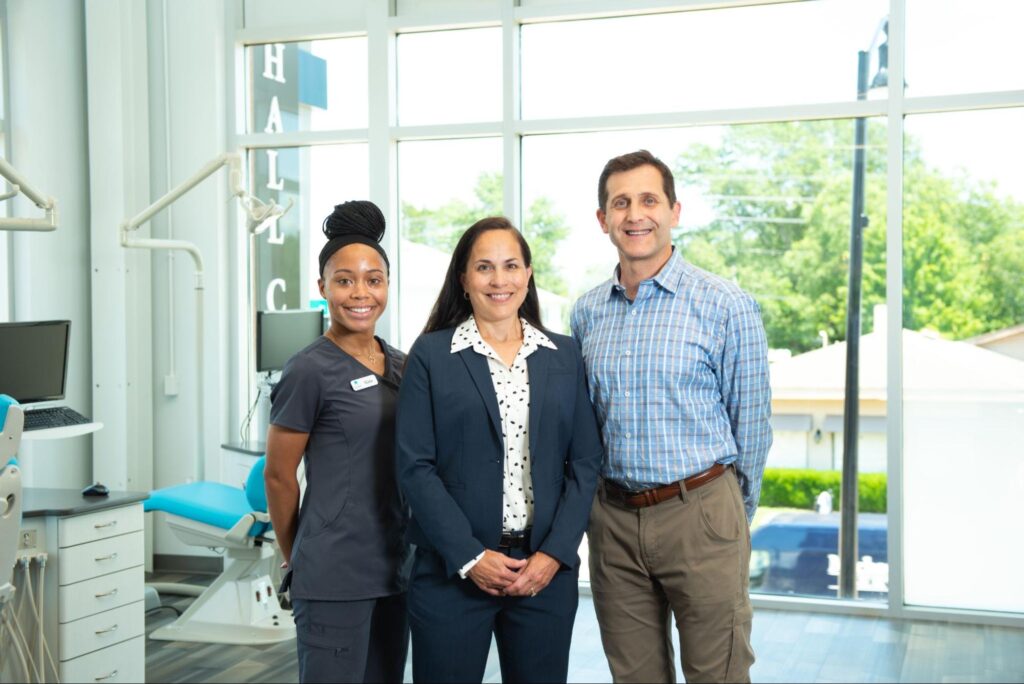
At Shine Orthodontics, we believe it’s never too late to get the smile you’ve always wanted. Dr. McGrogan and our team will walk you through your options and help you land on the one that fits your case and your life, whether that turns out to be clear braces, metal braces or Invisalign.
Schedule your free consultation and we will show you what is possible.